-
-
-
Fan Culture with Origins in K-pop Overtaking the World?
-
10/15/2025
2K
-
0
1
-
-
concert
K_pop
merch
café
fan_club
subway
-
-
-
Hallyu Insight Vol.12
Fan Culture with Origins in K-pop Overtaking the World?
Korean fans support their favorite idols by taking initiative and working in creative ways, from collecting photocards to organizing birthday billboard events. What began in K-pop has expanded far beyond the music industry, however, influencing broader aspects of Korean pop culture and even marketing trends.
This movement has established itself as a cultural phenomenon and has rapidly spread to K-pop fans around the world. Today, K-pop fandom culture has become a major trendsetter. In this edition, we’ll explore some unique examples of how this fandom culture, which originated in Korea, has expanded globally.
From Balloons to Bluetooth
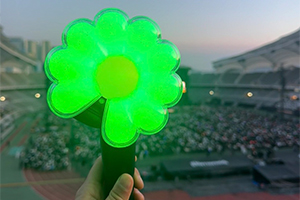
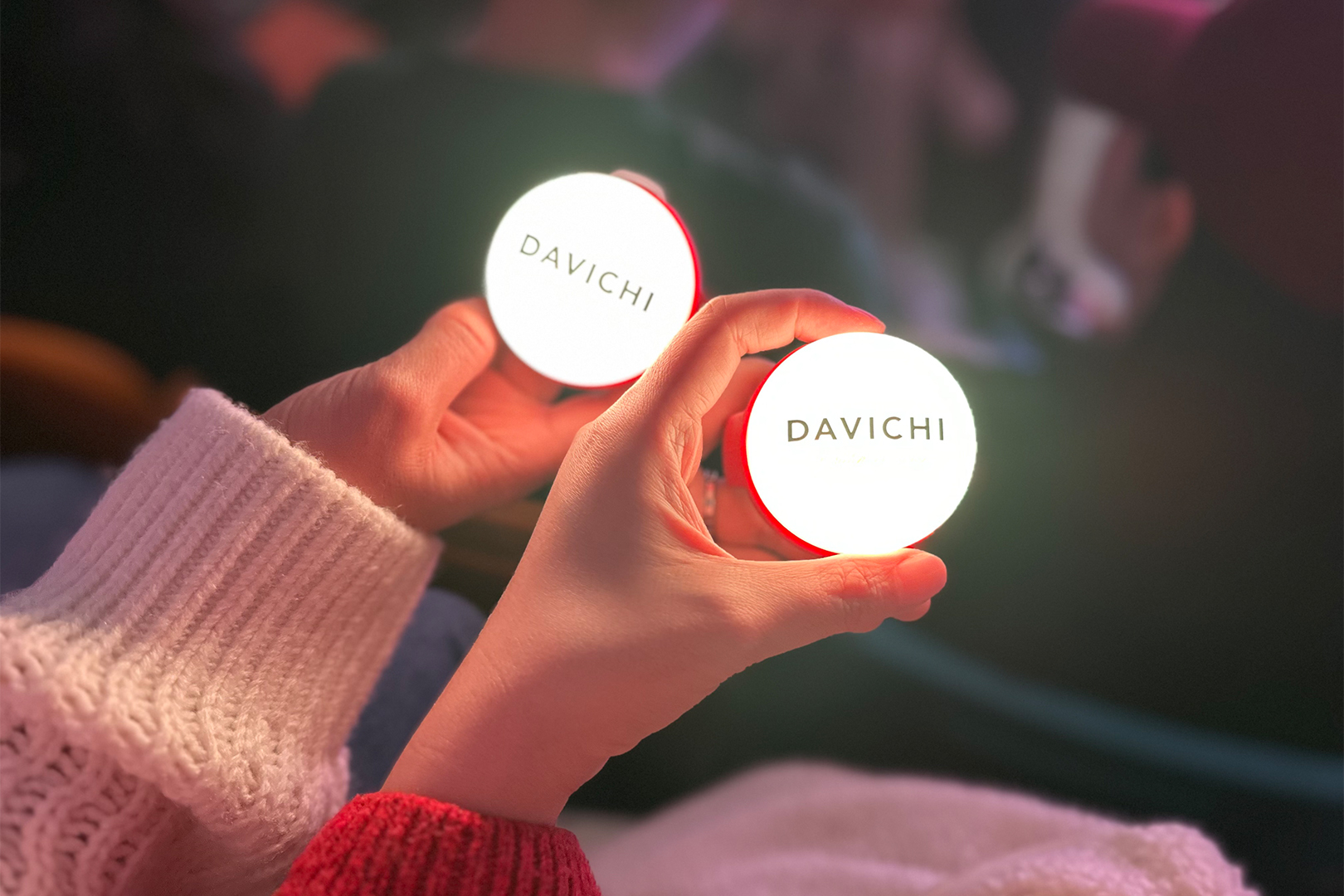
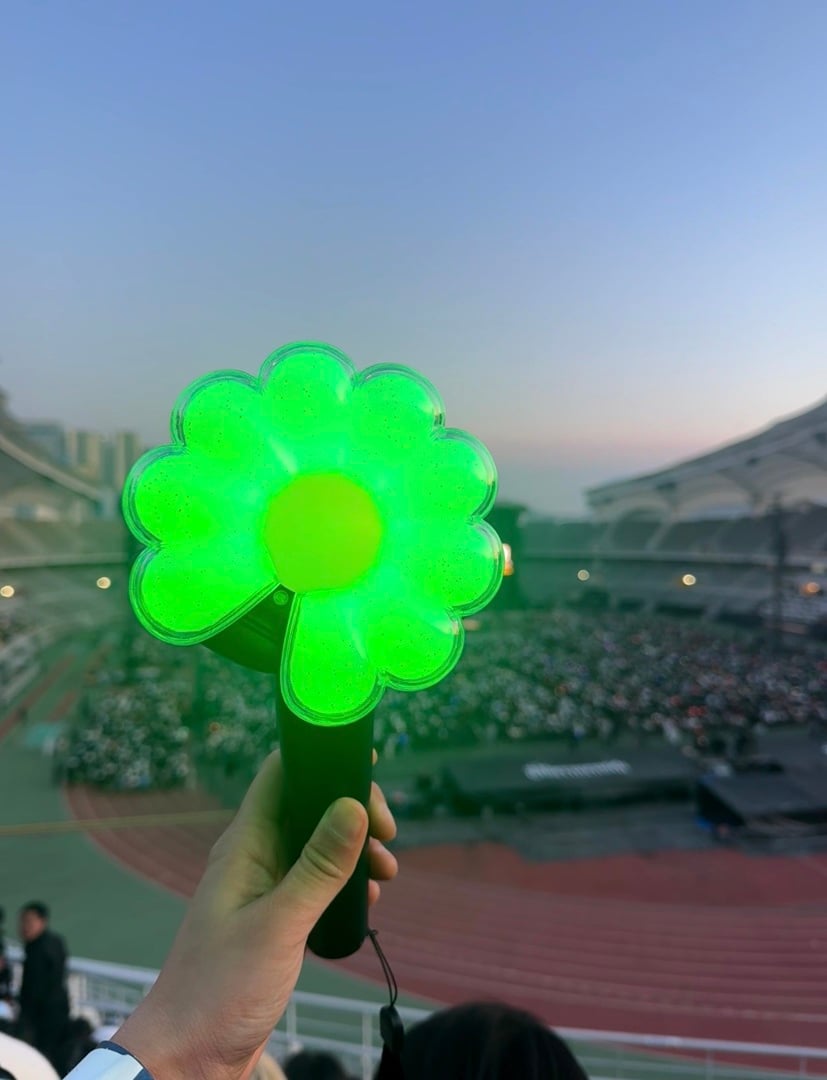
: The Dazzling Evolutions in Cheer GearIt all began with balloons. In the 1990s, Korean fans would wave balloons in their favorite idol’s signature color to show their support. But as the number of idols grew, balloons alone weren’t enough to distinguish one artist from another. Fans wanted a clearer symbol, and that’s how light-sticks were born. Soon, most idol groups, led by major entertainment labels, created their own custom light-sticks, each with a carefully designed color, shape, and logo. These have become a defining element of K-pop fan culture.
These light-sticks even make appearances in dramas like Lovely Runner and Her Private Life. Recently, with the addition of Bluetooth connectivity, they’ve evolved into interactive stage devices, allowing fans to help create the concert experience. Korea’s light-stick culture has also expanded beyond concerts, grabbing the world’s attention by influencing sporting events and even daily life. Here, we introduce some of Seoul’s major concert venues where fans can experience this vibrant K-pop culture firsthand.
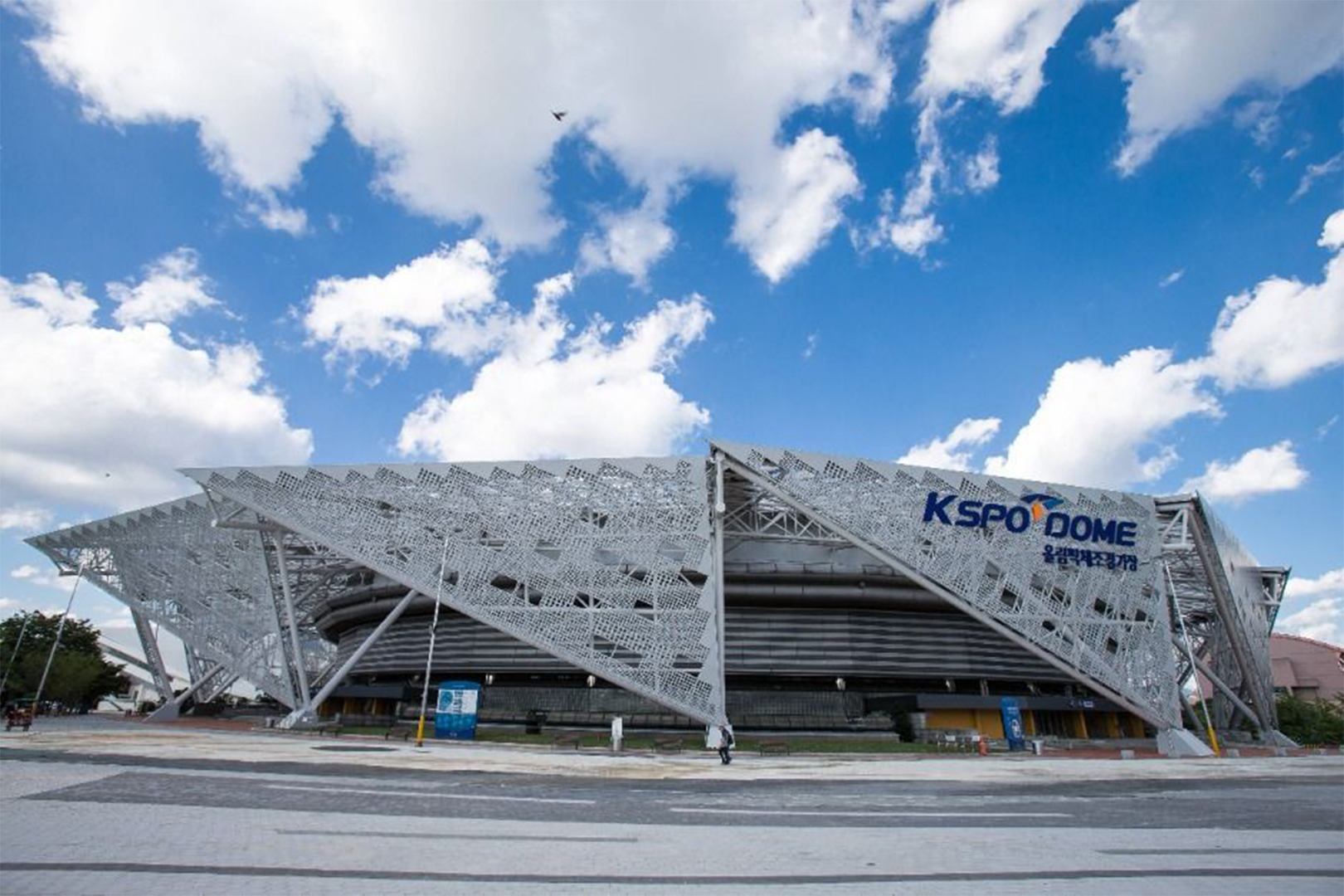
Olympic Park KSPO DOME (formerly Olympic Gymnastics Arena)
Olympic Park’s Dome Stadium Hosting Showcases, Musicals, K-pop Concerts and More- Location: Olympic Park, Olympic-ro 424, Songpa-gu, Seoul
- Contact: +82 02-2180-3516
- Hours: Varies by performance
- Website and SNS
1) Website - https://www.ksponco.or.kr/olympicpark
2) SNS - @joy_olpark
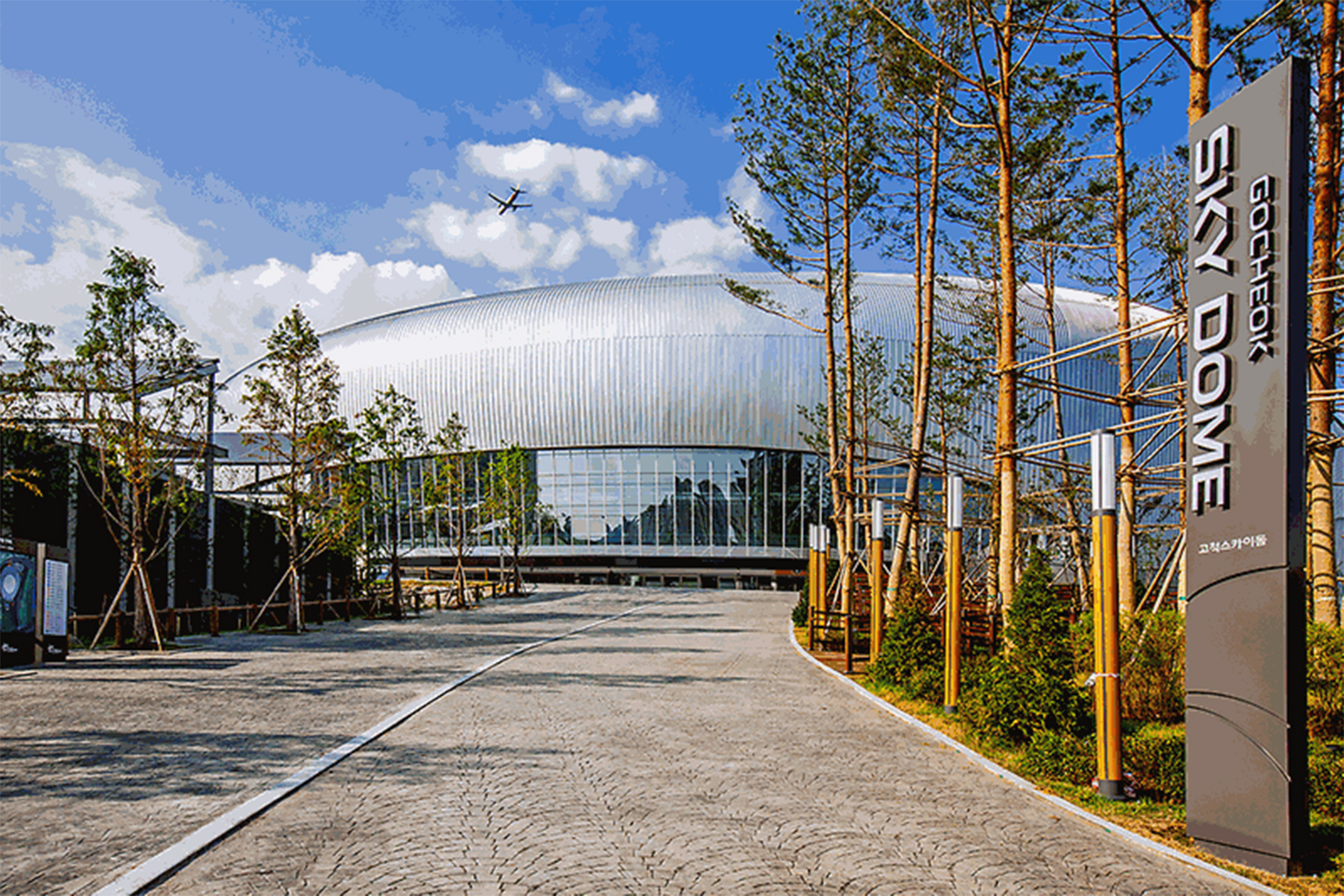
Gocheok Sky Dome
Korea’s First Baseball Stadium Dome with Sports Facilities, Cultural Spaces, Concert Stages- Location: Gyeongin-ro 430, Guro-gu, Seoul
- Contact: +82 1666-3102
- Hours: Varies by event, game
- Website and SNS
1) Website - https://www.sisul.or.kr/open_content/skydome/
2) SNS - @gocheok_skydome_official
Once Add-ons, Now Main Attractions: How Photocards
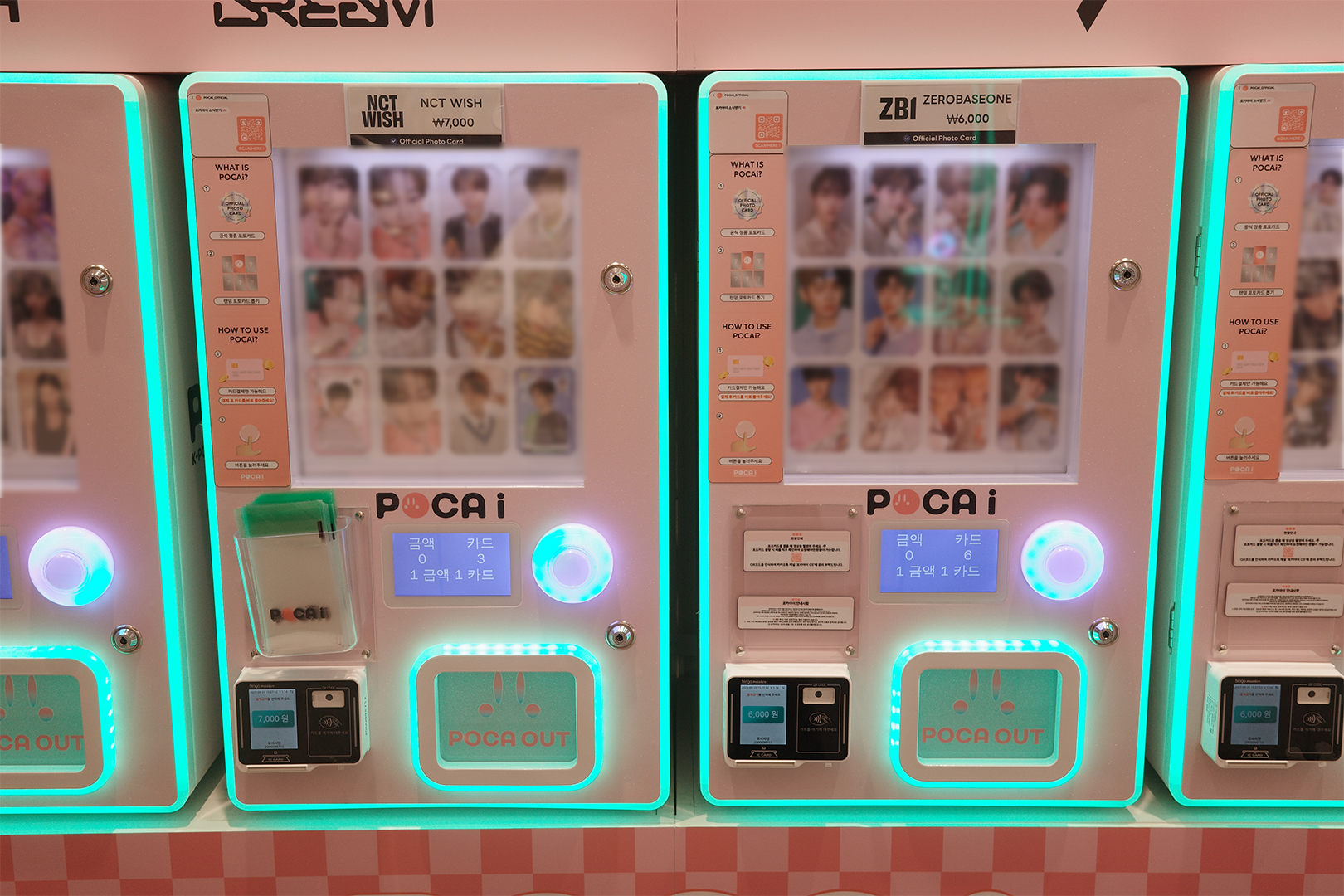
& Character Dolls Transformed Korean MD MarketingThere’s one album add-on that fans always look forward to when buying the CDs of their favorite artists. It’s none other than the photocard! What once was just a bonus has now become the primary motivation for CD purchase, leading many fans to buy multiple copies just to collect their favorite member’s photo. Fans eagerly open albums hoping for specific photocards, then trade and collect them with other fans in a spirit of true, organic fan interaction.
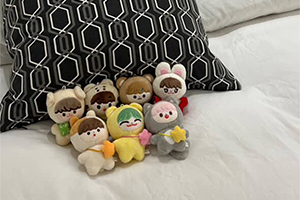
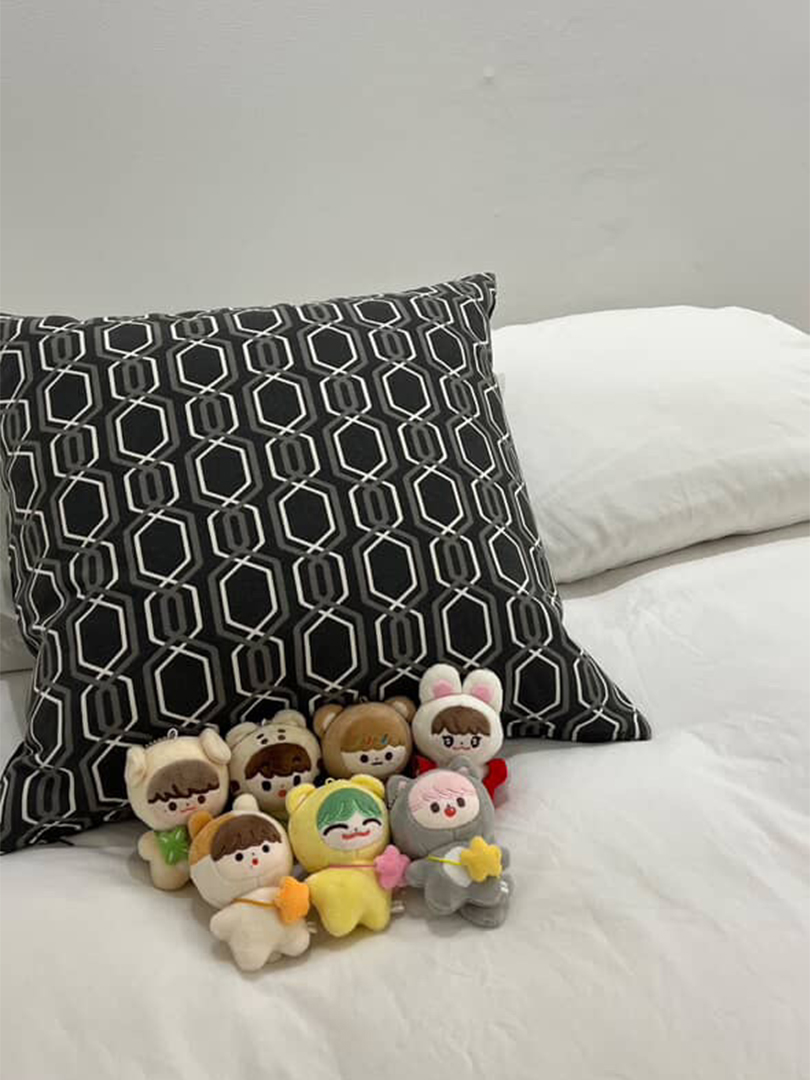
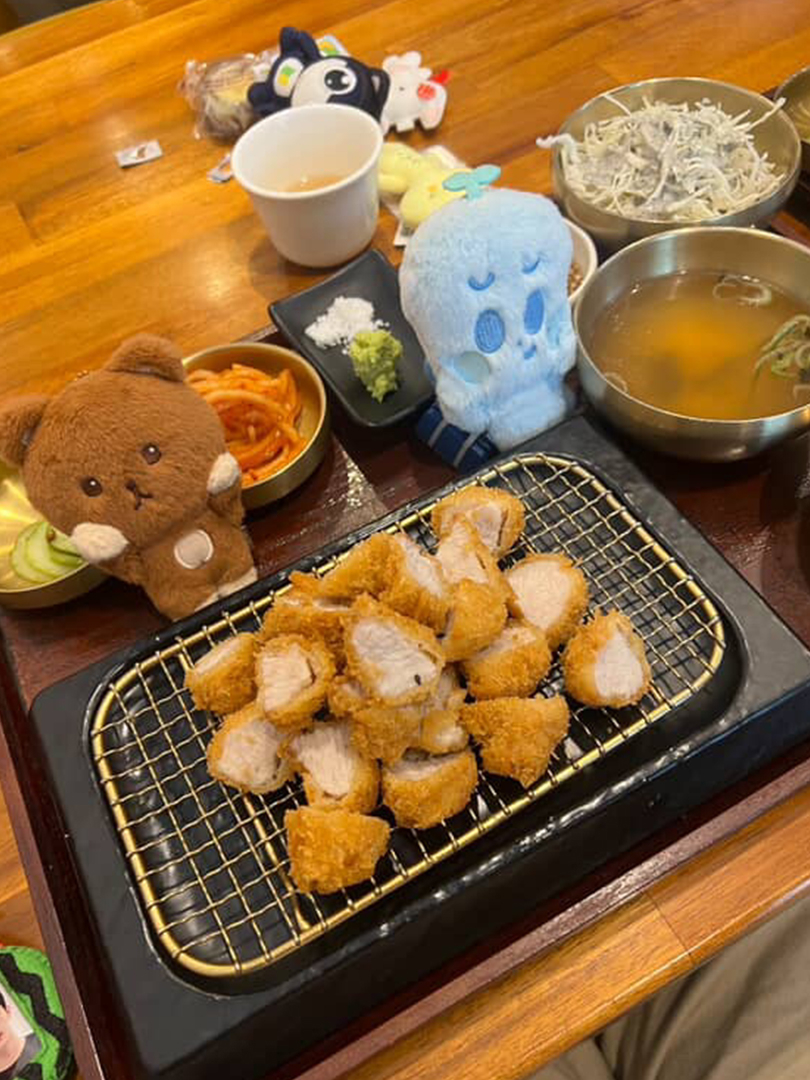
Recently, character dolls have also surged in popularity. These dolls are inspired by an idol’s nickname or physical traits. Fans dress up these “my-dol dolls,” take them on trips, and snap photos of them together.
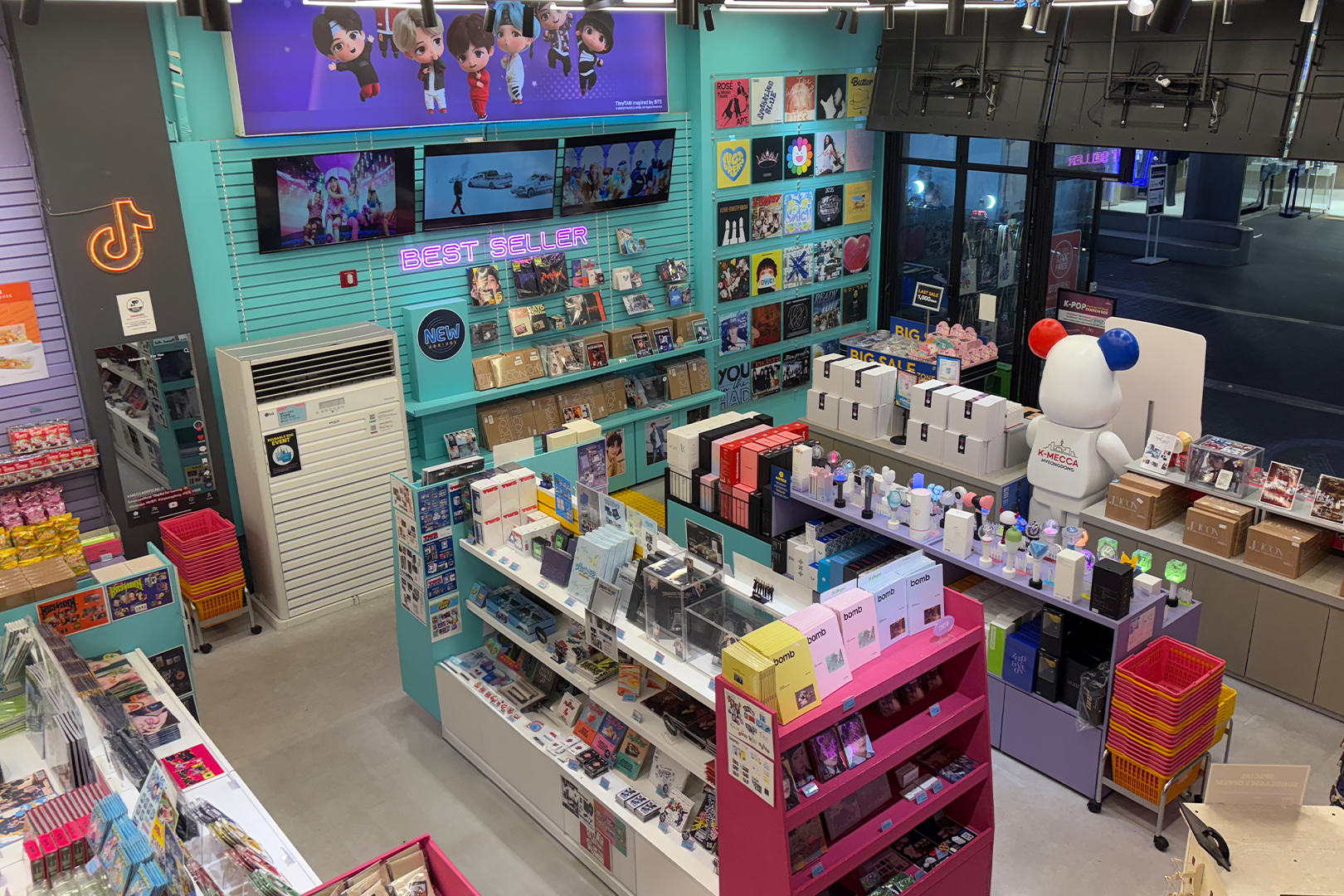
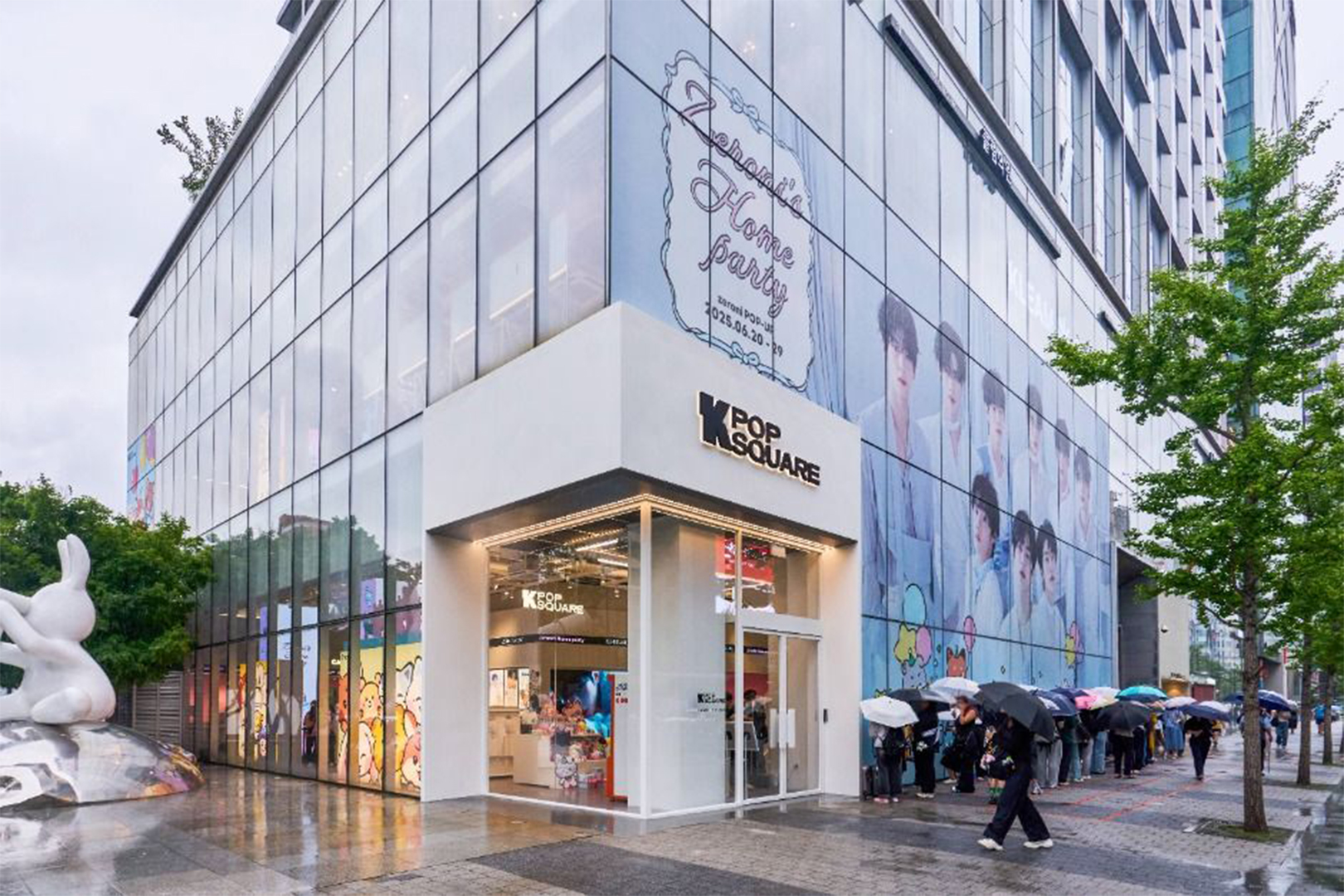
What began as a way to express fan devotion has now evolved into a major trend in Korean consumer culture, extending beyond idols to actors, influencers, and even popular characters, all of whom launch merchandise events. Across Seoul, you can find shops and pop-up stores offering a wide variety of K-pop merch, from photocards and dolls to stickers and keyrings. These unique stores offer a special experience you can only find in Korea.
K-MECCA Myeongdong Flagship Store
K-culture Shop Featuring K-pop Goods, K-food, and K-gifts- Location: Huiseong NH Building, Myeongdong 8 na-gil 5, Jung-gu, Seoul
- Contact: +82 0507-1317-2558
- Hours: Daily 10:00 – 23:00
- Website and SNS
1) Website - https://www.kmecca.com/
2) SNS - @kmeccaofficial
K-POP SSQUARE Hongdae
Formerly Line Friends Hongdae, Now Specializing in K-pop Collab Pop-up Events- Location: Yanghwa-ro 142, Mapo-gu, Seoul
- Contact: +82 02-322-9631
- Hours: Daily 11:00 – 22:00
- Website and SNS
1) Website - https://linefriendssquare.com/
2) SNS - @linefriends_square
How Idol Fandom Transformed Seoul’s Subways
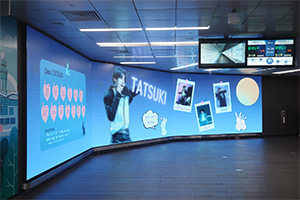
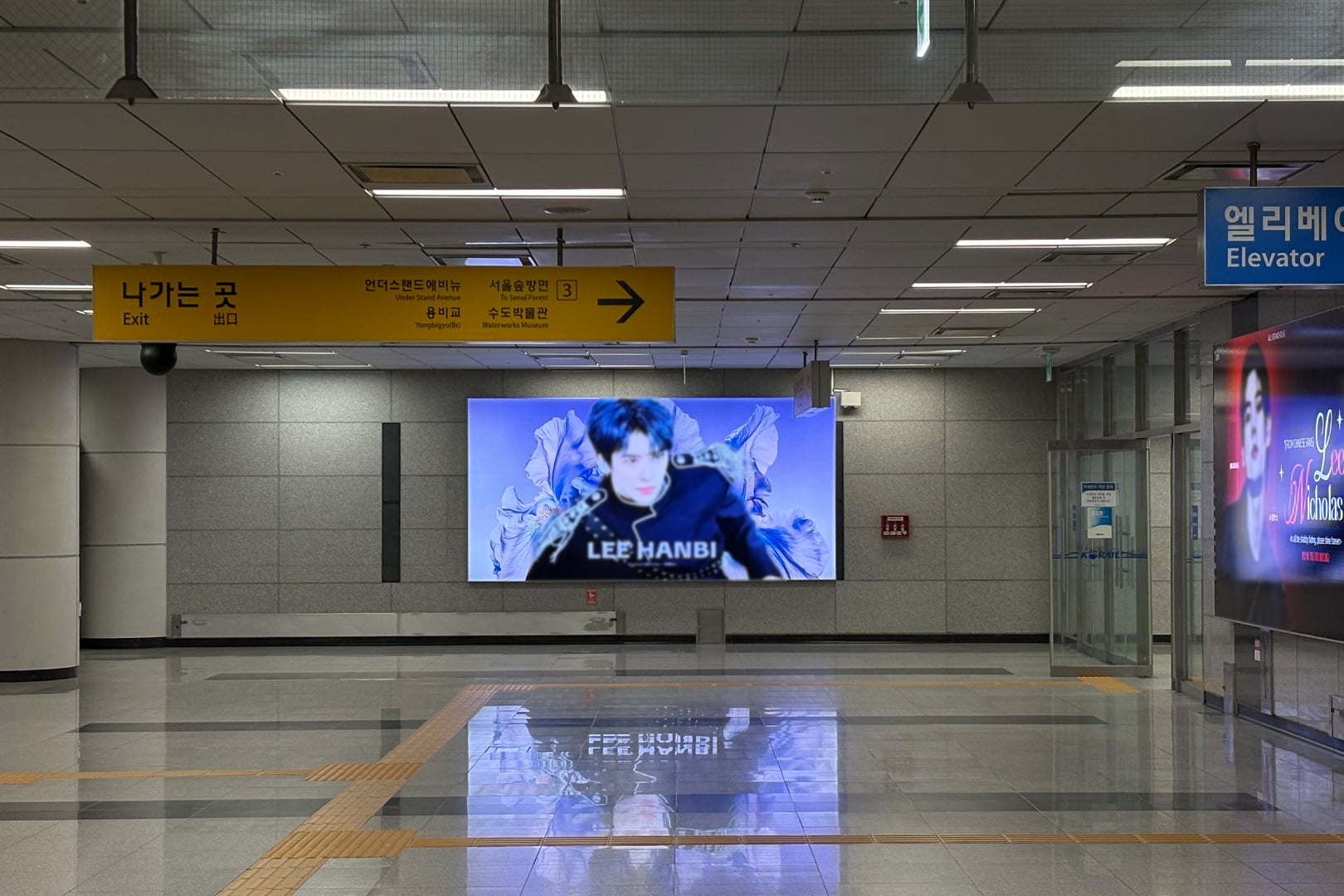
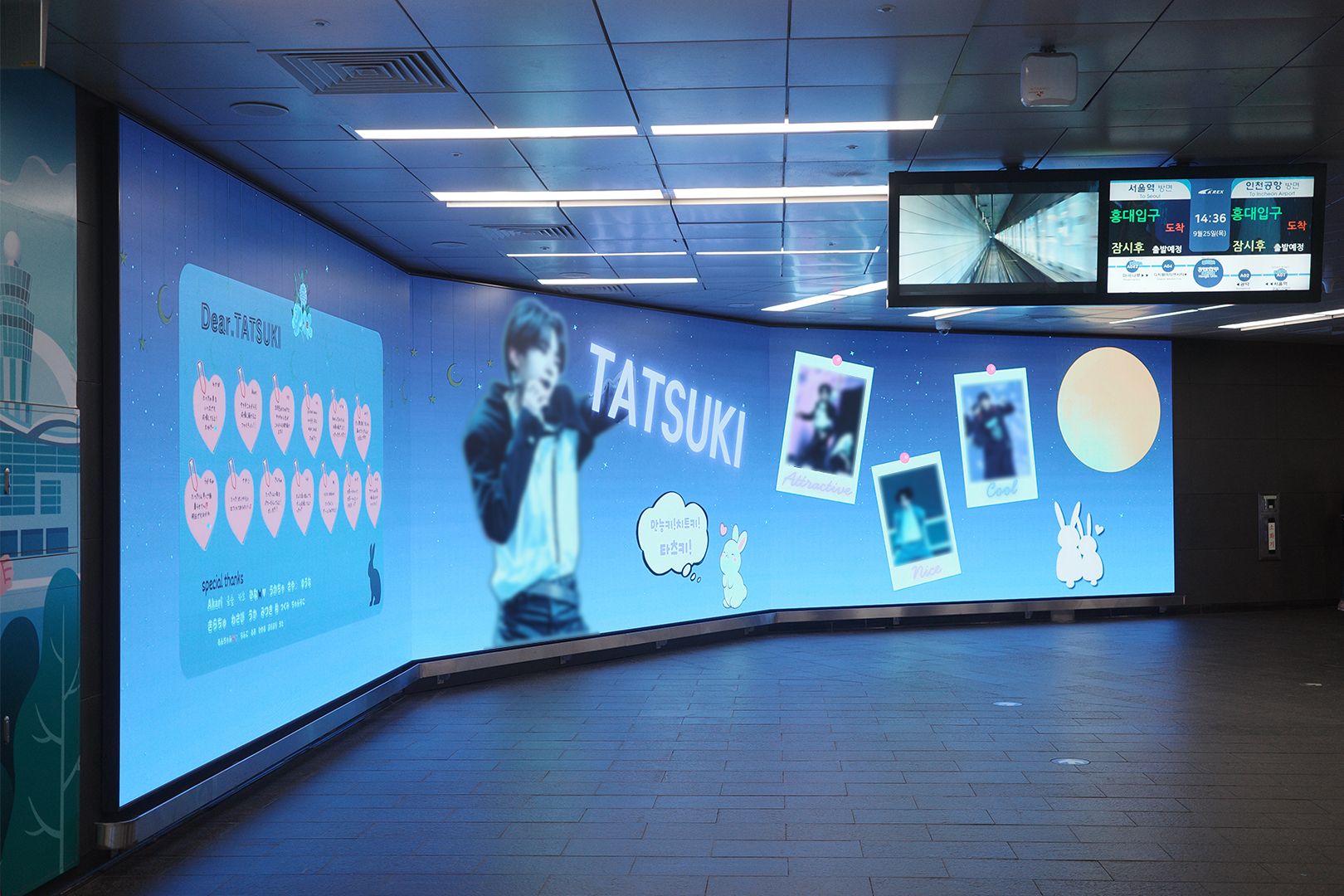
: When K-Pop Fans Take Over the CityFans have gone beyond simply buying merch to engaging in a true, literal show of support for their favorite celebrities. One way is through celebrity advertisements. In Korea, fans voluntarily run ads to celebrate an idol’s birthday or their comeback, placing the advertisements in subway stations, bus stops, and shopping mall billboards. While this trend began with K-pop fandoms, it has since expanded into mainstream culture, featuring actors, webtoon characters, and more.
These advertisements go beyond mere celebrations and instead act as performance pieces demonstrating fandom unity. In fact, they have become a unique urban tourist attraction in their own way. At Samseong, Gangnam, and Hongik University subway stations, countless fans gather daily to take photos in front of their favorite stars’ ads. These so-called advertisement pilgrimage sites have become a new kind of fan destination. Any K-pop fan visiting Korea should make it a point to see their favorite star’s ad in person.
Hongik University Station Station on Subway Line 2 Leading to Gyeongui-Jungang Line and Airport Railroad
Express Featuring Tons of Celebrity Ads- Location: Hongik University Station, Yanghwa-ro 160, Mapo-gu, Seoul
- Contact: +82 1599-7788 (Airport Railroad Express)
- Hours: Open Daily
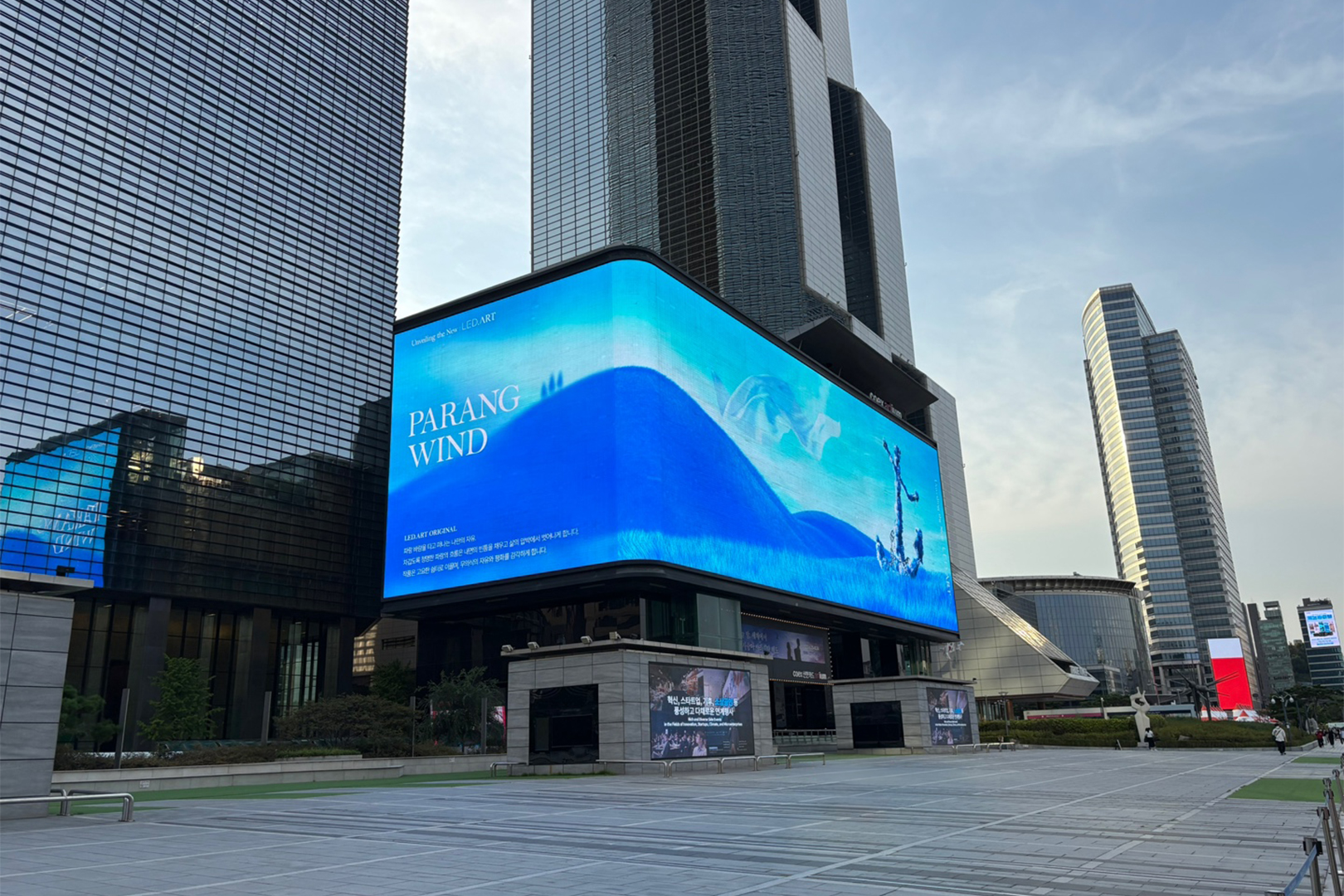
COEX K-pop Square
Media Screen on Outer Façade of COEX Atrium Offering Impressive Scale and Immersive Displays- Location: COEX K-pop Square, Yeongdongdae-ro 513, Gangnam-gu, Seoul
- Contact: +82 02-6000-0114
- Hours: Open Daily
- Website and SNS
1) Website - https://www.coex.co.kr/
2) SNS - @coex_official
Birthday Cafés: Uniquely Korean Way
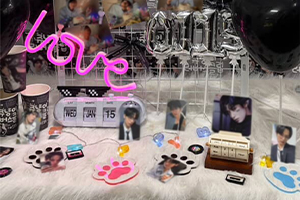
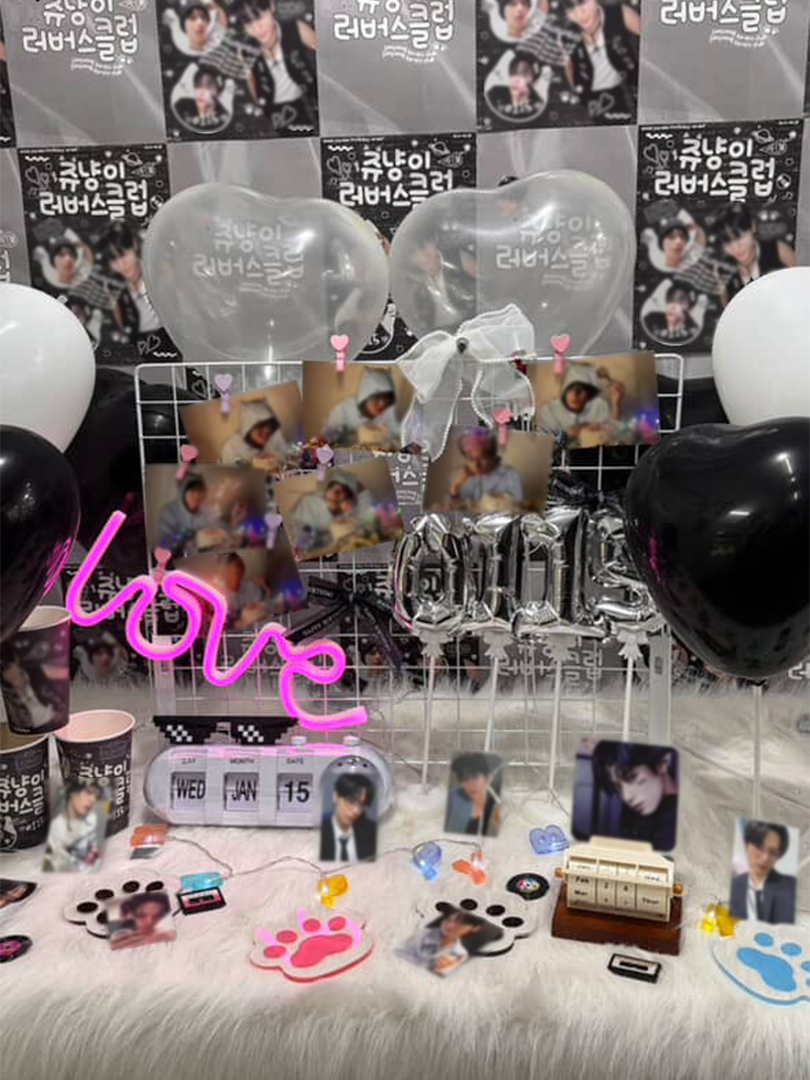
of Celebrating an Artist’s Special DayWhen you like someone, you want to be the first to celebrate their birthday in the biggest way possible. K-pop fans feel the same way. To honor an artist’s birthday, fans took to renting out entire cafés and filling them with photo zones, merchandise, and fan letters, thereby launching the phenomenon known as the “birthday café.” What started as intimate, private fan events have grown into a major celebration recognized by the entertainment industry, sometimes even attended by the artist himself or sponsored by the labels who send birthday cakes to the organizers. This trend has expanded beyond idols to actors, YouTubers, and even virtual influencers.
These birthday cafés have also become a must-see experience for international fans in Korea. After stopping by a café, visitors tour the buildings of nearby entertainment labels or take pictures in front of celebrity billboards. These events combine heartfelt congratulations, the creativity of fans, and a sense of community, making birthday cafés a distinctive part of K-fandom culture. The café events are usually hosted near where the artist’s label is located. Below, we’ll discuss two such major labels as well as nearby café options where these events take place.
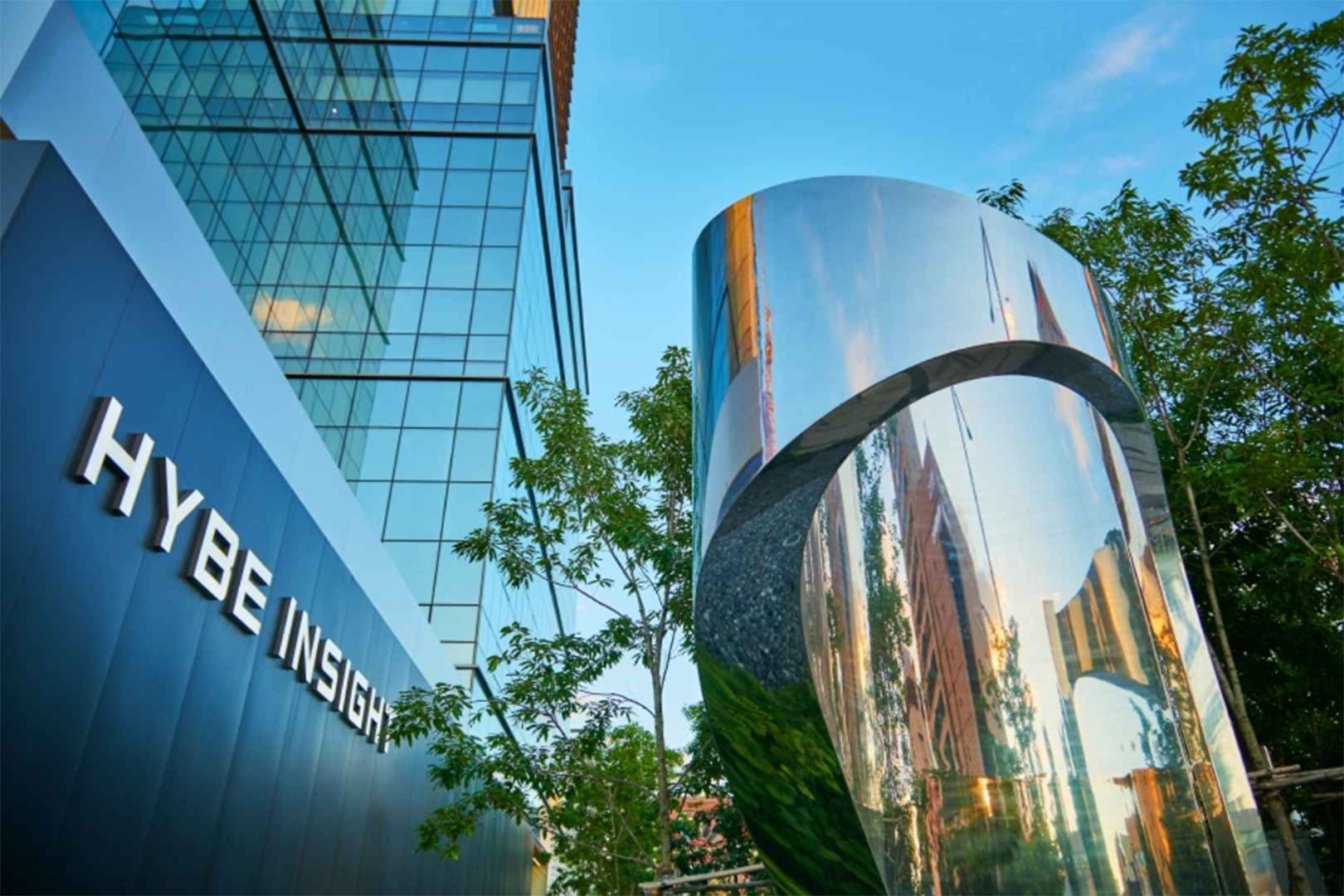
HYBE
Major Entertainment Label and Home to BTS, Seventeen, TWS, ILLIT
: Birthday Cafes are Organized Year-Round Near Their Yongsan HQ- Location: Hangangdae-ro 42, Yongsan-gu, Seoul
- Website and SNS
- Website: https://hybecorp.com/kor/main
Nearby Attractions
- 1) Itaewon Usadan-gil: narrow alleys in Itaewon offering a blended vibe of uniquely Korean atmosphere together
with exotic undertones - 2) Amorepacific Museum of Art: art museum featuring curated exhibitions run by Amore Pacific, an industry leader
in K-beauty products
SM Entertainment
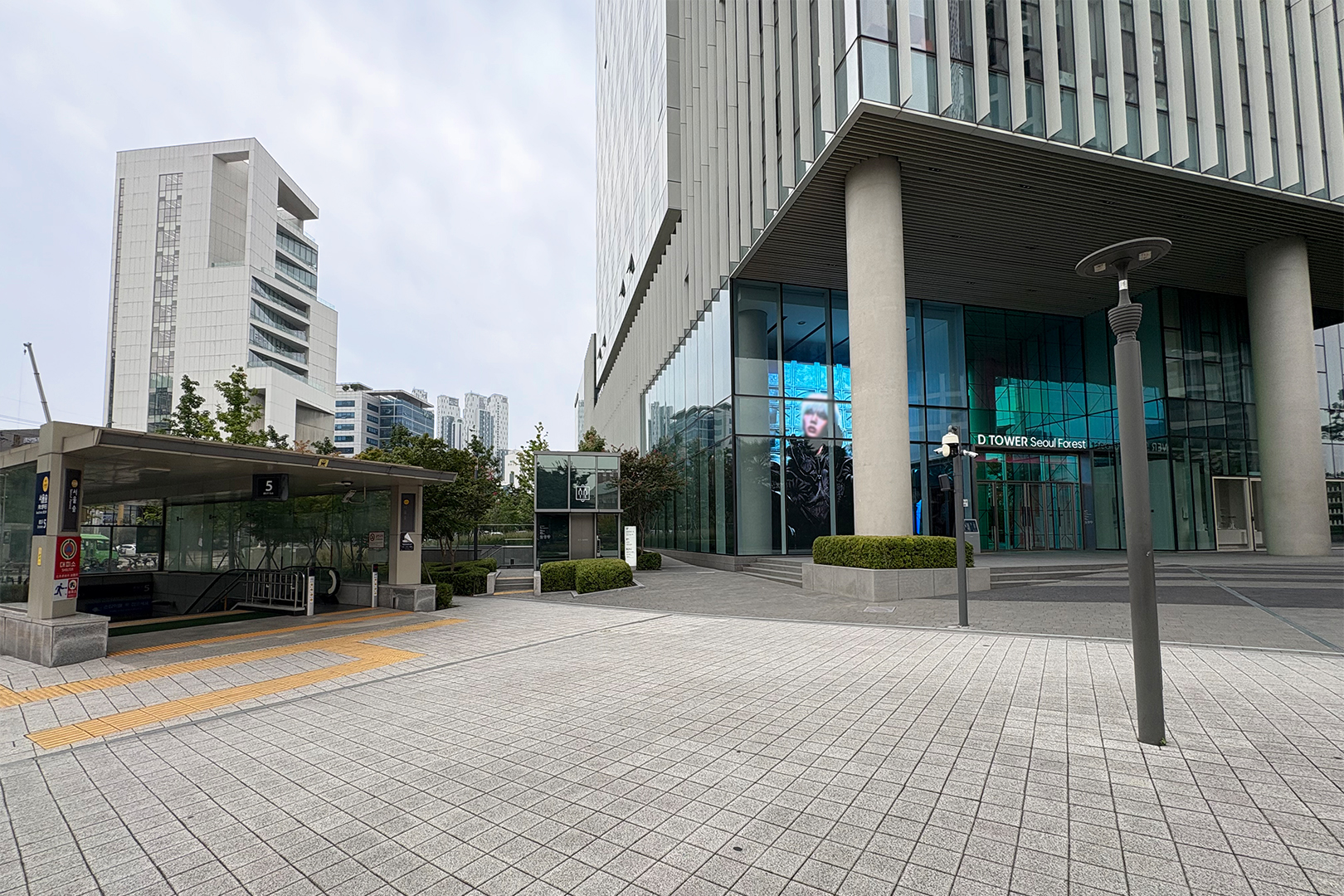
Major Entertainment Label and Home to aespa, NCT, RIIZE
: Birthday Cafes Frequently Hosted Near Their Seongsu-dong HQ- Location: Wangsipri-ro 83-21, Seongdong-gu, Seoul
- Contact: +82 02-6240-9800
- Website and SNS
1) Website - https://www.smentertainment.com/
2) SNS - @smtown
Nearby Attractions
- 1) Seoul Forest: urban forest with landscaped pathways and picnic areas, boasting beautiful scenery year-round
- 2) Seongsu-dong café street: located in Yeonmujang-gil, formerly an industrial zone of factories
that have been transformed into a stylish street of trendy cafes and cultural spaces
The address has been copied.
-
 和你同樂的韓流